
Choosing the right fitness tracker can make it easier to monitor workouts, steps, heart rate, sleep, recovery, and everyday activity. The best models combine accurate health tracking with comfortable designs, useful smart features, reliable battery life, and an easy-to-use experience.
In this guide, we compare five popular fitness trackers and smartwatches, including Fitbit and Garmin models plus the Samsung Galaxy Watch FE. Whether you are a beginner, a serious workout enthusiast, or someone who wants deeper health insights, these picks cover several different needs and budgets.
Quick Comparison: Best Fitness Trackers
How to Choose the Best Fitness Tracker
The right fitness tracker depends on what you want to monitor and how you plan to use it. Before buying, consider battery life, GPS, heart-rate tracking, sleep features, exercise modes, comfort, display size, smartphone compatibility, and the type of health information you actually need.
- For a slim everyday tracker: The Fitbit Charge 6 is a compact option with a strong collection of fitness and health features.
- For longer battery life: The Garmin vívoactive 5 stands out with up to 11 days of battery life according to the supplied product information.
- For heart and sleep-focused tracking: The Samsung Galaxy Watch FE offers advanced health and sleep-related features.
- For a larger smartwatch experience: The Garmin Venu 3 provides a spacious display and extensive health and fitness functionality.
- For beginners: The Fitbit Charge 6 is especially appealing because of its straightforward design and broad set of essential tracking tools.
#1. Fitbit Charge 6
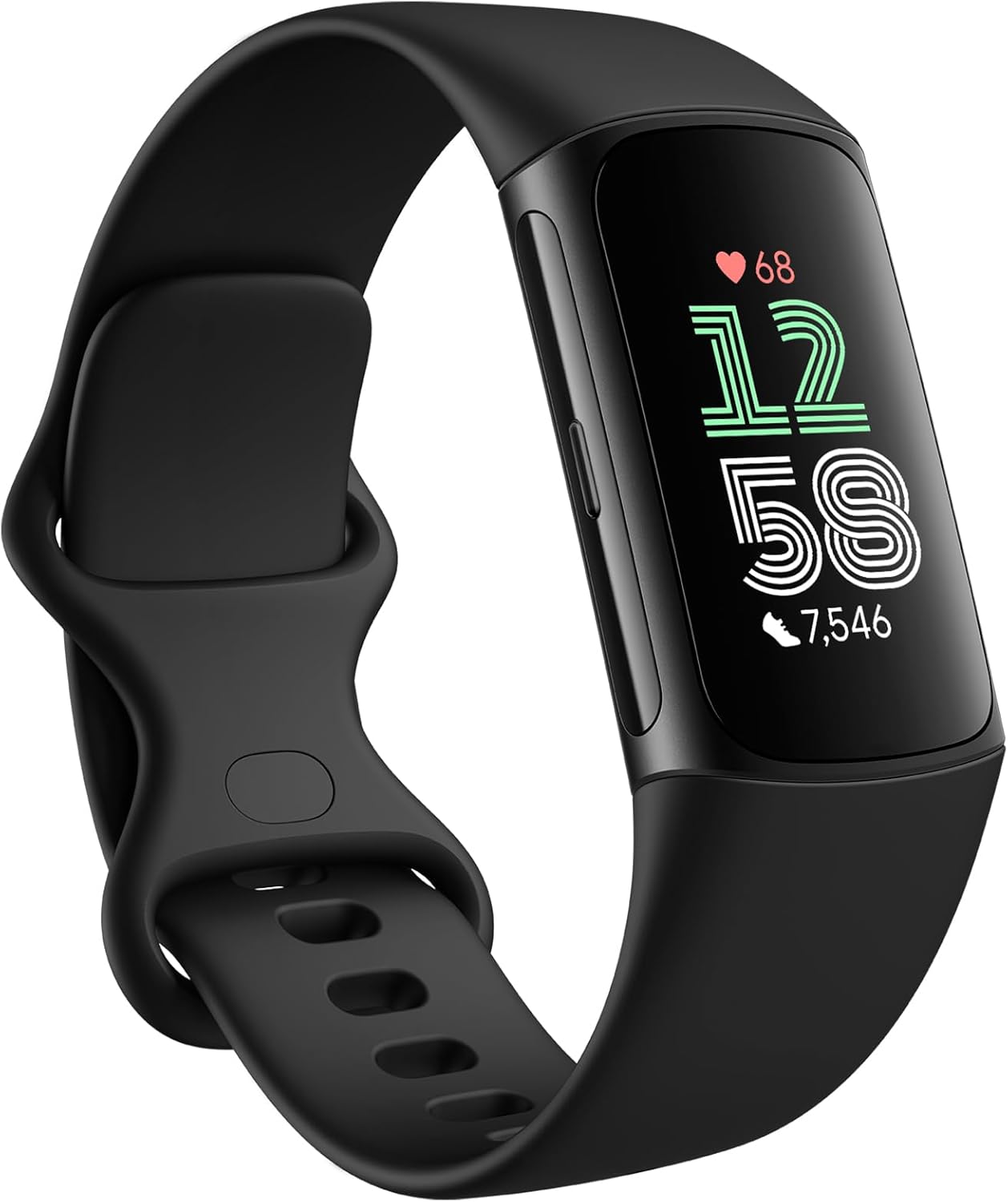
The Fitbit Charge 6 is a slim and versatile fitness tracker designed for people who want a strong mix of health monitoring and workout features without wearing a bulky smartwatch. Its compact form makes it suitable for everyday wear, while built-in GPS helps track outdoor activities such as running without relying entirely on a phone.
One of its biggest advantages is the breadth of activity tracking. The Charge 6 supports more than 40 exercise modes and includes features such as heart-rate monitoring, sleep tracking, stress-related insights, and an ECG app. The supplied product description also highlights a battery life of up to seven days, making it convenient for users who do not want to charge their tracker every night.
Customer feedback supplied for this product also emphasizes its sleek design and battery performance. For shoppers who want a relatively discreet fitness tracker with a useful collection of health and exercise tools, the Fitbit Charge 6 is an excellent all-around choice.
| Pros | Cons |
|---|---|
|
|
#2. Garmin vívoactive 5 Smartwatch

The Garmin vívoactive 5 is a strong choice for shoppers who want fitness tracking without the traditional fitness-band appearance. Its round watch design looks more like a conventional smartwatch, making it easy to wear at work, during workouts, or while going out.
Battery life is one of the most attractive features, with the supplied product information stating up to 11 days between charges. It also provides detailed information related to sleep, stress, activity, and other aspects of wellness. A dedicated wheelchair mode adds another layer of versatility for users who rely on wheelchair propulsion as part of their daily activity.
Customer feedback included in the supplied material praises the watch for being user-friendly, feature-rich, and accurate. Its circular design may also appeal to shoppers who prefer a traditional watch appearance rather than the narrow profile of a conventional fitness band.
| Pros | Cons |
|---|---|
|
|
#3. Samsung Galaxy Watch FE

The Samsung Galaxy Watch FE is particularly appealing to people who place a strong emphasis on heart-health and fitness monitoring. Its smartwatch format gives users a larger interface than a narrow fitness band, making it easier to view workout statistics and health information directly on the wrist.
The supplied product description highlights heart-rate monitoring and the ability to analyze heart-rate zones during training. It also includes advanced sleep tracking, including snoring-related monitoring, along with step tracking. These features make it a practical option for users who want both everyday smartwatch functionality and detailed fitness information.
Customer feedback supplied for the product praises its accuracy, particularly for activity tracking. The main consideration is charging frequency: users who rely heavily on tracking features may need to plan charging periods rather than expecting the extended battery life associated with some Garmin models.
| Pros | Cons |
|---|---|
|
|
#4. Garmin Venu 3

The Garmin Venu 3 is designed for users who want a larger smartwatch experience while still putting fitness and health tracking first. Its 1.4-inch touchscreen provides plenty of room for viewing workout statistics, health information, and other on-wrist features.
According to the supplied review information, the Venu 3 stood out for accuracy and ease of use. Its bright display can be particularly useful during workouts, while the combination of a silicone band and stainless steel bezel gives it a polished appearance. The trade-off is size: compared with slim fitness trackers, the Venu 3 is more noticeable on the wrist and may feel bulky to some users during sleep.
The Venu 3 is therefore best suited to shoppers who do not mind a larger device in exchange for a spacious screen and extensive fitness functionality. It has the look and feel of a smartwatch while maintaining a strong focus on health and exercise tracking.
| Pros | Cons |
|---|---|
|
|
#5. Fitbit Charge 6 for Beginners
For beginners who are starting a consistent exercise routine, the Fitbit Charge 6 is one of the easiest options in this selection to understand and use. Its compact design keeps the experience simple while still providing a surprisingly broad collection of fitness and health features.
The Charge 6 covers essential metrics such as steps, distance, sleep, and workout tracking. The supplied information also highlights automatic workout detection for nearly 40 workout types, along with health insights covering irregular heart-rhythm notifications, stress, mood, and menstrual cycles.
Its heart-rate monitoring is another major strength. The supplied review notes that the tracker performed well during high-intensity workouts, where rapid changes in heart rate can be challenging for wearable devices to capture. For someone who wants a beginner-friendly tracker that can continue to be useful as their fitness routine becomes more advanced, the Charge 6 is a compelling choice.
| Pros | Cons |
|---|---|
|
|
Fitness Tracker Comparison
| Fitness Tracker | Best For | Key Strength | Battery Highlight |
|---|---|---|---|
| Fitbit Charge 6 | Everyday fitness tracking | Compact design and broad health features | Up to 7 days |
| Garmin vívoactive 5 | Long battery life and wellness tracking | Round smartwatch design and detailed insights | Up to 11 days |
| Samsung Galaxy Watch FE | Heart and sleep-focused tracking | Health monitoring and smartwatch experience | More frequent charging required |
| Garmin Venu 3 | Advanced fitness and smartwatch use | Large bright display and extensive features | Long-lasting smartwatch battery |
| Fitbit Charge 6 | Fitness beginners | Simple operation with versatile tracking | Up to 7 days |
Which Fitness Tracker Is Best for You?
Choose the Fitbit Charge 6 if you want a slim fitness tracker with built-in GPS, numerous exercise modes, heart-rate monitoring, sleep tracking, and a relatively long battery life.
Choose the Garmin vívoactive 5 if battery life and a traditional round smartwatch design are high priorities. It is also a strong fit for people who want detailed wellness information.
Choose the Samsung Galaxy Watch FE if heart health, sleep tracking, and smartwatch functionality are especially important to you.
Choose the Garmin Venu 3 if you prefer a larger, premium-feeling smartwatch with a bright display and extensive fitness features.
Choose the Fitbit Charge 6 for beginners if you are starting a new exercise routine and want an approachable tracker that still offers enough functionality to grow with your fitness goals.
Frequently Asked Questions About Fitness Trackers
What is the best fitness tracker overall?
The Fitbit Charge 6 is a strong overall option for shoppers who want a compact design, built-in GPS, extensive exercise tracking, heart-rate monitoring, sleep features, and good battery life in one device.
Which fitness tracker has the longest battery life in this selection?
The Garmin vívoactive 5 is listed with up to 11 days of battery life in the supplied product information, making it one of the strongest choices here for users who want to minimize charging.
Is the Fitbit Charge 6 good for beginners?
Yes. Its relatively simple design and broad collection of essential tracking features make it particularly suitable for people beginning a regular exercise routine.
Which fitness tracker is best for sleep tracking?
The Garmin vívoactive 5, Samsung Galaxy Watch FE, and Fitbit Charge 6 all offer sleep-related tracking features. The best choice depends on whether you prioritize battery life, smartwatch functionality, or a compact fitness-band design.
Should I buy a fitness band or a smartwatch?
A fitness band is usually better if you prefer a smaller, lighter device focused on health and exercise tracking. A smartwatch is generally better if you want a larger display, a traditional watch appearance, and more smartwatch-oriented functionality alongside fitness features.
Final Verdict
The best fitness tracker is the one that matches your training habits, health-monitoring priorities, preferred design, and charging expectations. The Fitbit Charge 6 is a particularly versatile choice for everyday users and beginners, while the Garmin vívoactive 5 is appealing for long battery life and wellness tracking. The Samsung Galaxy Watch FE is well suited to users who prioritize heart and sleep features, and the Garmin Venu 3 is a strong choice for anyone who wants a larger, more premium smartwatch experience.
Before making your final decision, consider the features you will actually use most often. A tracker with the right combination of comfort, accuracy, battery life, and useful health information is much more valuable than a device packed with features you rarely need.
Related Posts

The Very Best Electric Toothbrushes: 5 Top Picks for a Cleaner, Healthier Smile
The Very Best Electric Toothbrushes: 5 Top Picks for a…

5 Best Razer Mice for Gaming: Top Picks for FPS, MMO & Everyday Use
Choosing the right Razer mouse can make a noticeable difference…

The 5 Best Running Shoes for Comfort, Cushioning & Support
Finding the best running shoes can make a major difference…