
Finding the best toddler toys can make a big difference in your little one’s early learning and development. The right toys encourage curiosity, improve fine motor skills, inspire creativity, and help toddlers discover the world around them through play. Whether your child enjoys interactive learning, imaginative adventures, music, or arts and crafts, choosing an engaging toy can turn everyday playtime into a valuable learning experience.
In this guide, we explore five popular toddler toys, including Ms. Rachel First Words Talking Flash Cards, a Sesame Street wooden block set, a Mickey Mouse dress-and-play plush, washable finger paints, and the Hape Pixel Piano. Each option offers a different way to encourage development while keeping little ones entertained.
Top 5 Best Toddler Toys
1. Ms. Rachel Talking Flash Cards
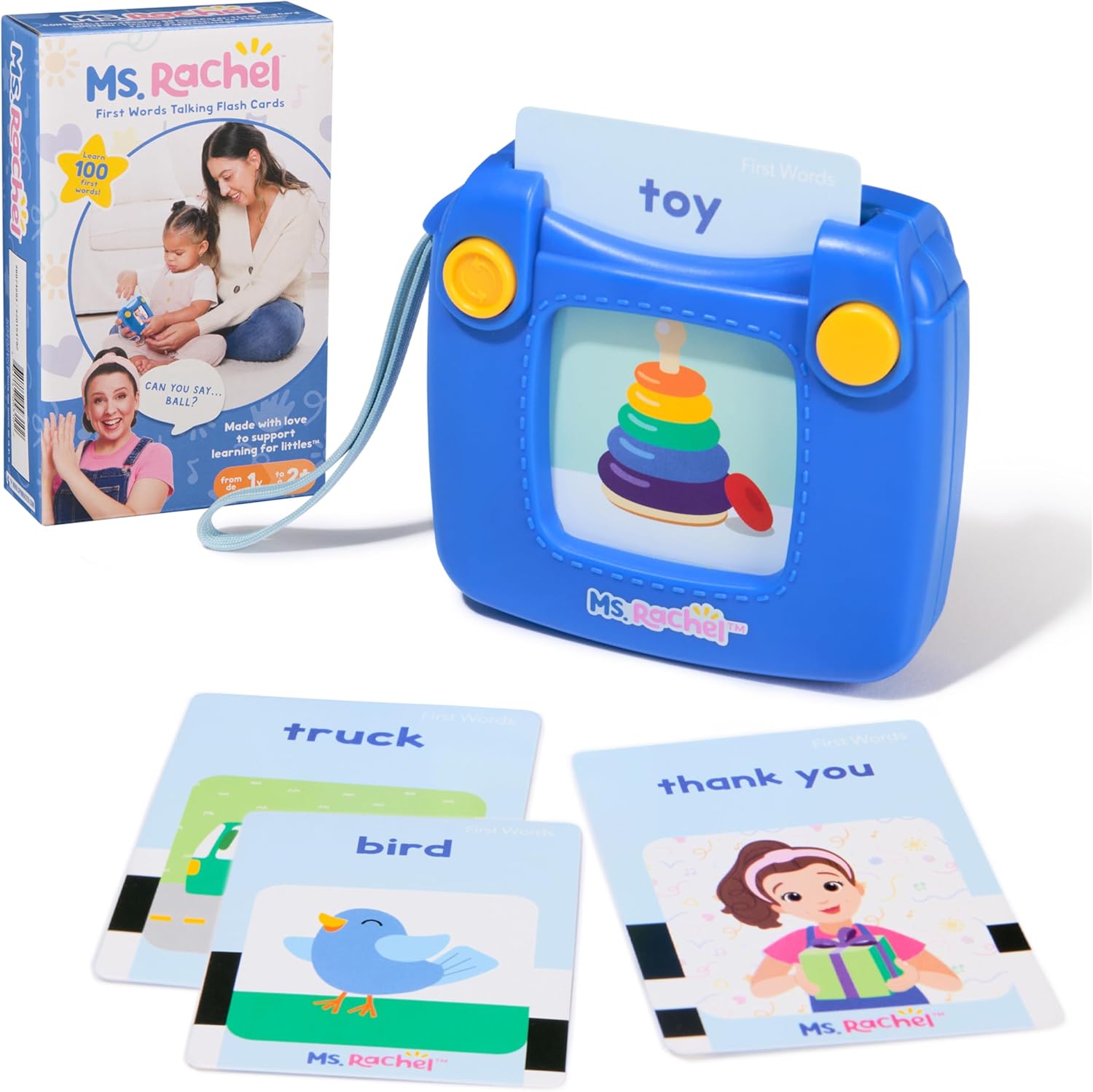
Interactive vocabulary learning with familiar voice prompts.
Check Price on Amazon2. Sesame Street Wooden Block Set
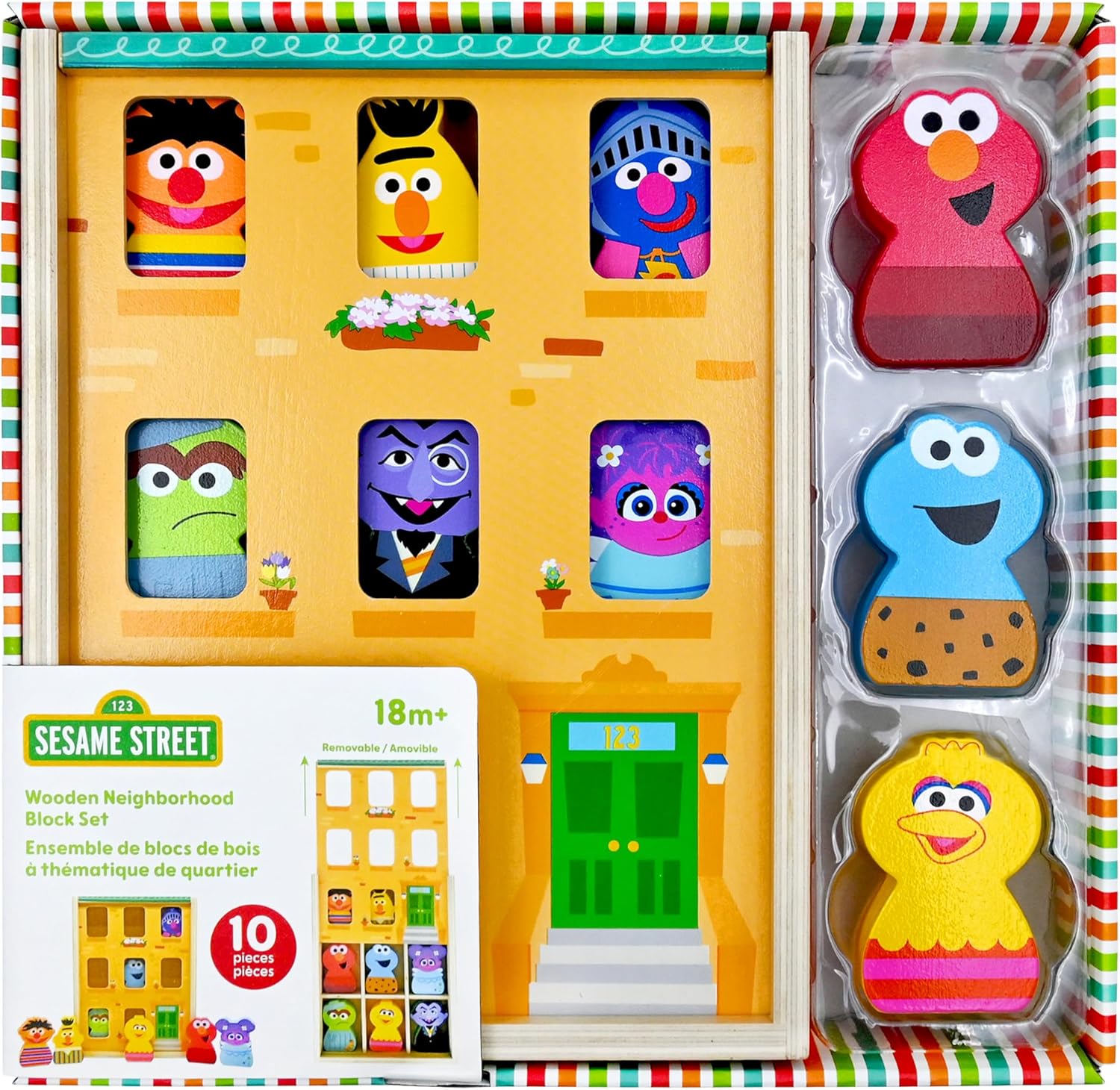
Character-based imaginative play with convenient storage.
Check Price on Amazon3. Mickey Mouse Dress and Play Plush

A cuddly companion for practicing dressing skills.
Check Price on Amazon4. Honeysticks Finger Paint

Colorful creative activities with washable paints.
Check Price on Amazon5. Hape Pixel Piano Toy

Musical exploration with colorful lights and pixel art.
Check Price on AmazonDetailed Reviews of the Best Toddler Toys
1. Ms. Rachel First Words Talking Flash Cards
The Ms. Rachel First Words Talking Flash Cards are an engaging educational toy for toddlers who are beginning to recognize everyday words. Featuring the familiar voice of Ms. Rachel, this electronic card reader makes vocabulary practice enjoyable and interactive. Children can listen to words, connect sounds with pictures, and gradually build their communication skills through repeated play.
The set features over 100 everyday words presented through individual picture cards. Toddlers insert a card into the reader and press a button to hear the word spoken aloud. This simple activity encourages independent exploration while helping children develop hand-eye coordination, listening skills, and early language recognition. Parents can also participate by repeating words and asking children to identify the pictures.
One particularly appealing feature is its compact size, making it convenient for travel, outings, or quiet activities at home. The interactive design can be especially helpful for children who enjoy familiar characters and sounds. Parents should supervise younger toddlers during card handling and follow the manufacturer’s recommended age guidelines.
Pros and Cons
| Pros | Cons |
|---|---|
| Encourages early vocabulary development | Requires electronic components |
| Interactive and engaging voice prompts | Cards need careful handling |
| Compact and portable design | May require adult assistance initially |
Best For: Toddlers learning their first words and parents seeking an interactive educational toy.
2. Kids Preferred Sesame Street Wood Neighborhood Block Set
The Kids Preferred Sesame Street Wood Neighborhood Block Set brings beloved television characters into a toddler’s playroom. Featuring familiar friends such as Elmo, Cookie Monster, Big Bird, and other Sesame Street characters, this colorful wooden playset encourages children to explore imaginative storytelling and interactive play.
The set includes nine wooden character blocks housed in a neighborhood-style storage container. Children can slide open the panels, discover their favorite characters, and move the figures in and out of their individual spaces. These activities help develop fine motor coordination, character recognition, sorting skills, and early imaginative thinking.
Another practical advantage is the built-in storage design. After playtime, toddlers can return the characters to their designated locations, making cleanup part of the activity. The compact tabletop format is suitable for playrooms, bedrooms, or supervised family activities. Parents can encourage storytelling by asking children to name characters and create simple adventures.
Pros and Cons
| Pros | Cons |
|---|---|
| Encourages imaginative storytelling | Small pieces require supervision |
| Familiar Sesame Street characters | Limited appeal for children unfamiliar with the characters |
| Convenient storage container | Best suited to tabletop play |
Best For: Sesame Street fans who enjoy imaginative play, sorting, and character-based activities.
3. Kids Preferred Disney Baby Mickey Mouse Dress and Play Plush
The Kids Preferred Disney Baby Mickey Mouse Dress and Play Plush combines the comfort of a soft stuffed companion with practical learning activities. Designed around the familiar Mickey Mouse character, this plush toy gives toddlers an opportunity to practice everyday dressing skills in an entertaining and approachable way.
Mickey’s outfit features zippers, snaps, fasteners, and shoelaces that children can explore. These interactive elements help introduce essential dressing movements while supporting fine motor development and hand coordination. Toddlers can practice opening and closing fasteners at their own pace, gradually becoming more familiar with the actions involved in getting dressed.
The soft plush construction also makes Mickey an appealing companion for pretend play. Children can incorporate the toy into their daily routines, practice dressing alongside a parent, or create simple imaginative scenarios. The combination of cuddly appeal and practical skill-building makes this an interesting option for toddlers preparing for preschool or daycare.
Pros and Cons
| Pros | Cons |
|---|---|
| Encourages dressing independence | Some fasteners may be challenging for younger toddlers |
| Soft and cuddly character design | Not primarily designed for active physical play |
| Supports fine motor skill development | Requires supervision when practicing with laces |
Best For: Toddlers practicing dressing skills and children who enjoy Disney character plush toys.
4. Honeysticks Finger Paint
Honeysticks Finger Paint is a creative play option for toddlers who enjoy exploring colors and making their own artwork. Designed for hands-on painting activities, this set provides six bright colors that children can use with their fingers instead of traditional paintbrushes. The tactile experience introduces toddlers to artistic expression in a playful and engaging way.
The finger paints come in wide-mouth containers that make dipping and spreading paint easier for little hands. Children can experiment with mixing colors, creating patterns, and making simple pictures. These activities support sensory exploration, creativity, hand coordination, and early color recognition. Parents can participate by helping children identify colors and describe their artwork.
Washability is another useful feature for families. The paints are designed to make cleanup easier, although the actual results can vary depending on the surface and how quickly spills are cleaned. A dedicated painting area, washable clothing, and adult supervision can help keep creative activities manageable. Parents should always check the product’s age guidance and safety labeling before use.
Pros and Cons
| Pros | Cons |
|---|---|
| Encourages creativity and sensory exploration | Painting activities can be messy |
| Six bright colors for artistic experimentation | Requires adult supervision |
| Washable paint helps with cleanup | May require protective clothing and surfaces |
Best For: Creative toddlers who enjoy finger painting, sensory activities, and experimenting with colors.
5. Hape Pixel Piano Toy
The Hape Pixel Piano Toy is an interactive musical toy that combines colorful piano keys with a pixel-style display. It gives toddlers a fun introduction to music while encouraging them to explore sounds, colors, and visual patterns. The tabletop design makes it convenient for playrooms and supervised music sessions at home.
When children press the keys, the display illuminates with corresponding colors. The toy also features pixel piano player modes that can display animal designs and encourage children to explore different musical and visual experiences. These activities can help develop fine motor coordination, color recognition, sensory awareness, and an early interest in music.
The interactive format makes the piano particularly engaging for children who enjoy cause-and-effect toys. Toddlers can experiment with individual keys, create their own sounds, and discover the different modes. Parents can support the experience by singing along, identifying colors, and encouraging children to imitate simple rhythms. Adult supervision and appropriate volume settings are recommended during play.
Pros and Cons
| Pros | Cons |
|---|---|
| Encourages musical exploration | Requires batteries |
| Interactive lights and colorful display | Electronic sounds may not suit every household |
| Supports color recognition and fine motor skills | Tabletop design limits mobility during play |
Best For: Toddlers who enjoy music, colorful interactive toys, and sensory learning.
How to Choose the Best Toddler Toys
Choosing the right toddler toy involves more than finding something entertaining. Consider your child’s developmental stage, interests, and the types of activities they enjoy most.
1. Consider Your Toddler’s Age
Always check the manufacturer’s recommended age range. Younger toddlers may benefit from simple sensory toys, while older toddlers may enjoy activities involving sorting, dressing skills, and more complex interactions.
2. Look for Developmental Benefits
Educational toys can support communication, creativity, coordination, sensory exploration, and problem-solving. Look for toys that encourage active participation instead of relying exclusively on passive entertainment.
3. Prioritize Safety
Choose age-appropriate toys with suitable construction and materials. Avoid toys containing small detachable pieces that could present choking hazards. Supervise toddlers during play, especially with blocks, paints, electronic toys, and toys with fasteners or laces.
4. Choose Toys That Match Your Child’s Interests
Children are more likely to engage with toys that reflect their interests. A toddler who loves music may enjoy a piano, while a child who enjoys characters may prefer a plush toy or block set. Creative children may be especially interested in painting activities.
Frequently Asked Questions
What are the best educational toys for toddlers?
Educational toys such as talking flash cards, wooden block sets, dressing practice plush toys, finger paints, and interactive musical instruments can encourage different developmental skills. The best choice depends on your child’s age and interests.
Are electronic toys good for toddlers?
Electronic toys can introduce toddlers to sounds, colors, and cause-and-effect relationships. They are most beneficial when used alongside hands-on activities and interaction with caregivers. Consider volume settings and age recommendations.
Which toddler toys help develop fine motor skills?
Toys involving card insertion, block handling, fasteners, painting, and piano keys can help toddlers practice fine motor coordination. Activities should be appropriate for the child’s developmental level.
What makes a good toddler gift?
A good toddler gift is age-appropriate, engaging, and useful for encouraging exploration. Educational toys, character plush toys, creative activity sets, and musical toys are popular options for birthdays and special occasions.
Final Verdict: Which Toddler Toy Should You Choose?
The best toddler toy depends on what your little one enjoys and which skills you want to encourage through play. Each of the five toys featured in this guide offers a different learning experience.
- Best for early language learning: Ms. Rachel First Words Talking Flash Cards.
- Best for imaginative play: Kids Preferred Sesame Street Wood Neighborhood Block Set.
- Best for dressing practice: Kids Preferred Disney Baby Mickey Mouse Dress and Play Plush.
- Best for creative activities: Honeysticks Finger Paint.
- Best for musical exploration: Hape Pixel Piano Toy.
Whether you are looking for an educational gift, a creative activity, or an interactive toy that keeps your toddler engaged, these options provide several exciting ways to make playtime meaningful. Consider your child’s interests, age, and developmental needs when selecting the perfect toy.
Explore the product links above to check current availability, product specifications, and pricing before making your purchase.
Disclosure: This article contains Amazon affiliate links. As an Amazon Associate, we may earn from qualifying purchases at no additional cost to you.
Related Posts

5 Best Smart Speakers for Your Connected Home: Top Picks for Alexa, Audio & Smart Home Control
Looking for the right smart speaker for your connected home?…

The 5 Best Personal Blenders for Smoothies, Frozen Fruit, and Everyday Blending
Looking for the best personal blender for quick breakfasts, nutritious…

The 5 Very Best Portable Chargers for Reliable Power on the Go
A good portable charger can be the difference between a…