
Choosing the right sewing machine can make sewing projects faster, easier, and much more enjoyable. Whether you are learning the basics, repairing clothes, quilting, or tackling detailed decorative projects, the right combination of stitch variety, ease of use, sewing performance, and convenience features can make a major difference.
In this guide, we compare five popular computerized sewing machines: the Brother HC1850, Brother CS5055, JUKI HZL-F300, Singer 9960 Quantum Stylist, and Brother CS7000X. Each model has different strengths, so the best choice depends on your sewing experience and the types of projects you plan to complete.
Top 5 Sewing Machines at a Glance
1. Brother HC1850

Excellent all-around computerized sewing machine with 185 built-in stitches.
Check Price on Amazon2. Brother CS5055
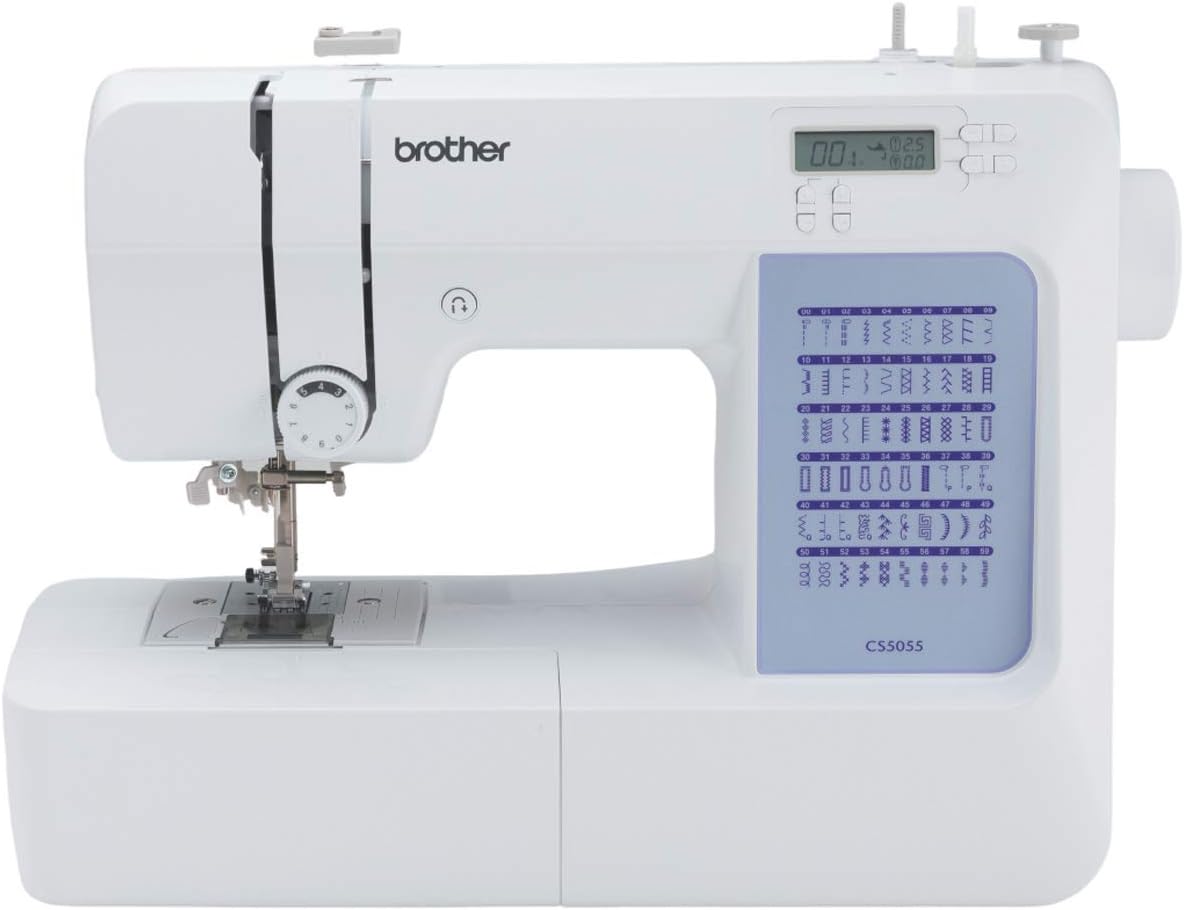
A straightforward and affordable option for beginners and everyday sewing.
Check Price on Amazon3. JUKI HZL-F300
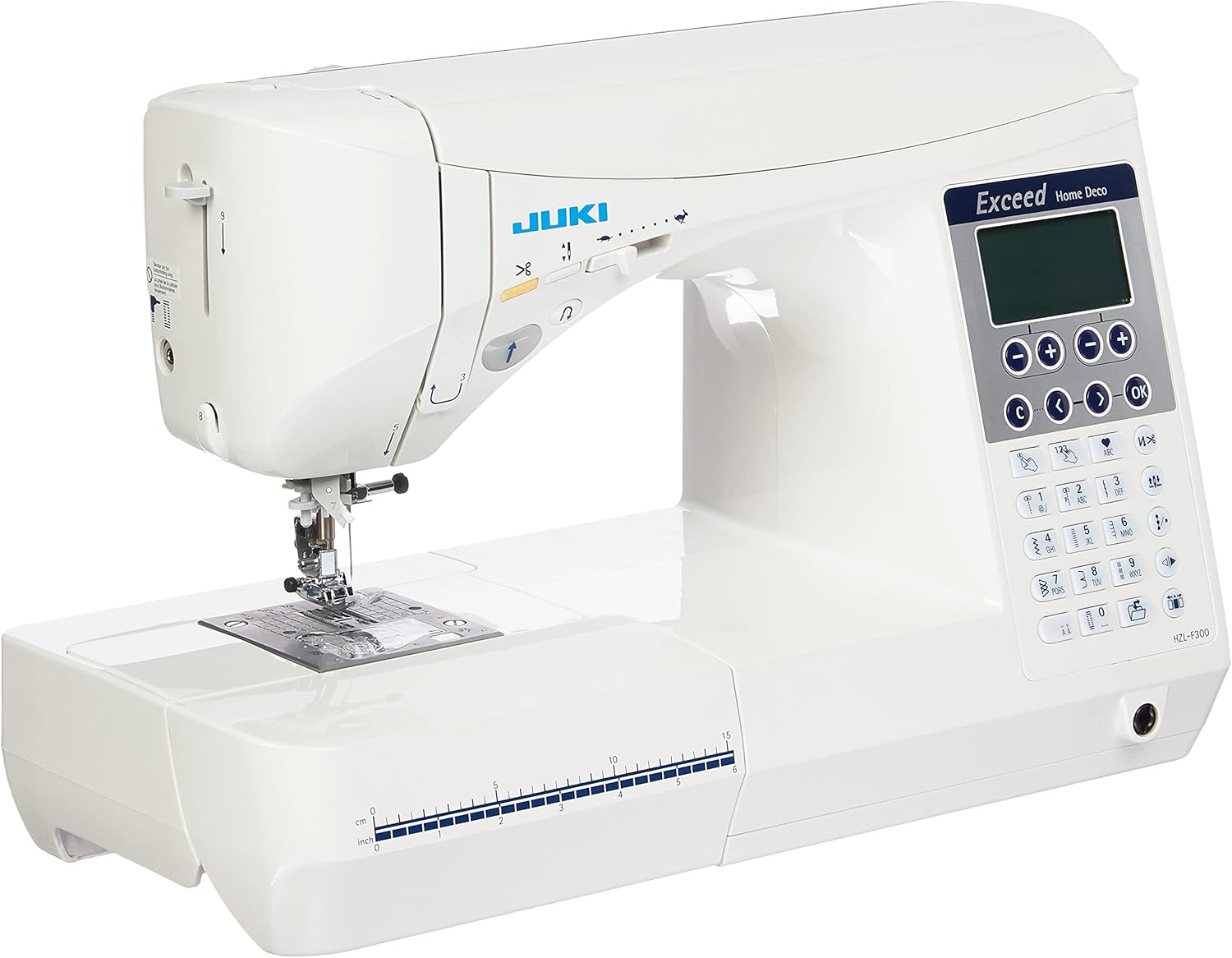
Powerful sewing and quilting machine designed for demanding projects.
Check Price on Amazon4. Singer 9960

Feature-rich computerized machine with 600 stitches and strong versatility.
Check Price on Amazon5. Brother CS7000X
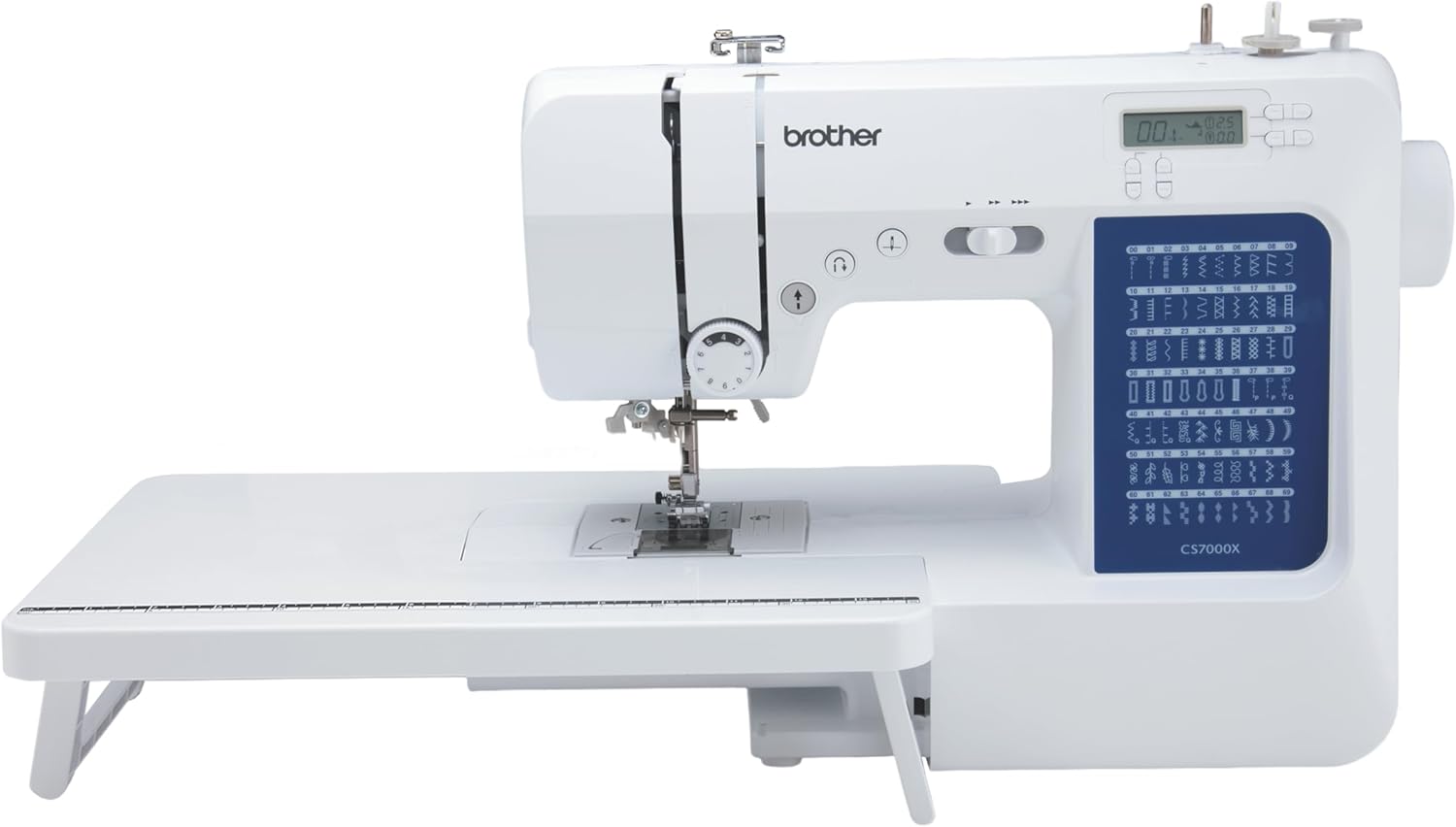
An affordable computerized machine that can grow with a beginner’s skills.
Check Price on AmazonHow to Choose the Right Sewing Machine
Before buying a sewing machine, consider the kinds of projects you expect to make. Beginners may benefit most from an intuitive computerized interface, clearly numbered threading instructions, and practical stitch selections. More experienced sewists may want greater stitch customization, faster sewing speeds, advanced buttonhole functions, or better performance when working with multiple layers of fabric.
Stitch quantity is another important consideration, but more stitches do not automatically mean a machine is better for every user. A machine with 60 useful stitches can be perfectly suitable for everyday repairs and basic sewing, while a model with hundreds of stitches may be more appealing if decorative stitching is a major part of your projects.
Detailed Sewing Machine Reviews
1. Brother HC1850
The Brother HC1850 is a versatile computerized sewing machine that works particularly well for home sewists who value convenience and efficiency. Its straightforward controls make it approachable for beginners, while the extensive selection of features gives more experienced users plenty of room to expand their sewing projects.
One of its biggest advantages is its selection of 185 built-in stitches and eight different buttonhole styles. The digital display uses easy-to-read numerals, making it simpler to select the desired stitch and settings. The machine also provides useful stitch customization, with a maximum stitch width of 7mm and maximum stitch length of 5mm.
The HC1850 is therefore a strong fit for sewists who want a machine that is relatively easy to learn without quickly outgrowing its capabilities. Its combination of stitch variety, adjustable settings, and computerized convenience makes it suitable for everyday sewing as well as more involved projects.
| Pros | Cons |
|---|---|
|
|
2. Brother CS5055
The Brother CS5055 is designed to provide a manageable and approachable sewing experience, making it especially appealing to people who are just beginning to sew. One of its strongest characteristics is the straightforward setup process, with numbered directions that help guide users through bobbin placement and threading.
This machine provides 60 different stitch styles. While that is considerably fewer than some feature-heavy models, the selection is sufficient for many basic sewing, mending, and everyday projects. Its computerized interface is also relatively easy to understand, and the display provides useful information for selecting stitches and settings.
Stitch quality is another strong point. The CS5055 performed well across a variety of fabrics, while its buttonhole function takes a little more involvement but can produce high-quality results. For someone who wants a capable computerized machine without an overwhelming number of features, the CS5055 offers a practical balance.
| Pros | Cons |
|---|---|
|
|
3. JUKI HZL-F300
The JUKI HZL-F300 is built for sewists who want strong performance alongside computerized convenience. It performed exceptionally well in testing and was able to handle both basic stitches and more demanding materials without struggling.
Its ability to work through multiple layers of denim and double-layered quilting batting makes it particularly interesting for users who regularly tackle heavier or more challenging sewing projects. The machine reaches a maximum speed of 900 stitches per minute, allowing experienced users to move quickly through larger projects.
Despite its more advanced capabilities, the HZL-F300 is designed to remain approachable. Features such as the needle threading system, strong lighting, and automated thread cutter add convenience to the sewing process. It is a compelling choice for users who prioritize performance and advanced functionality.
| Pros | Cons |
|---|---|
|
|
4. Singer 9960 Quantum Stylist
The Singer 9960 Quantum Stylist is packed with features for sewists who want extensive creative options. Its standout specification is the enormous selection of 600 available stitches, giving users a wide range of decorative and functional possibilities.
The machine also includes 13 buttonhole styles, useful work lighting, and an automatic thread cutter. Despite its large number of functions, its setup and controls are designed to remain manageable. The combination of computerized operation and extensive stitch selection makes it particularly attractive for users who enjoy experimenting with different designs.
Performance is another major consideration. The Quantum Stylist performed strongly in stitching evaluations, including challenging tasks such as zippers, multilayer denim, and blind hems. Its broad stitch selection and capable buttonhole system make it suitable for sewists who want to explore both practical and decorative projects.
| Pros | Cons |
|---|---|
|
|
5. Brother CS7000X
The Brother CS7000X is a computerized sewing and quilting machine aimed at users who want an affordable way to develop their sewing skills. Its intuitive controls make it accessible to beginners, while the range of included accessories and programmed stitches provides room for more advanced projects.
The machine includes a wide selection of presser feet, a wide table extension, and a walking foot. These accessories can be especially useful for beginners because they allow users to experiment with different techniques without immediately having to purchase a large collection of accessories separately.
The CS7000X also offers 70 built-in stitches covering both practical and decorative applications. The included manual is designed to be helpful and thorough, which can make the learning process easier. While it is not intended as a decades-long heirloom machine, it offers a sophisticated set of features for its category and can grow with a user’s skills.
| Pros | Cons |
|---|---|
|
|
Which Sewing Machine Should You Choose?
The Brother HC1850 is a versatile option for sewists who want a user-friendly computerized machine with a large selection of stitches and useful customization options. Its 185 stitches provide plenty of flexibility without reaching the extreme stitch count of the Singer 9960.
The Brother CS5055 is geared toward straightforward everyday sewing. Its numbered setup instructions, manageable computerized controls, and 60 stitch styles make it a practical option for beginners and routine mending tasks.
The JUKI HZL-F300 is particularly suited to sewists who place a high priority on sewing performance and frequently work with challenging materials or multiple layers. Its 900-stitches-per-minute maximum speed and automated convenience features add to its appeal for more demanding projects.
The Singer 9960 Quantum Stylist stands out for users who want an enormous range of creative possibilities. With 600 stitches and 13 buttonhole styles, it provides extensive options for decorative and functional sewing.
The Brother CS7000X is an appealing choice for beginners who want a machine that can support skill development. Its included presser feet, walking foot, wide table extension, and 70 built-in stitches give users a broad set of tools to explore as their experience increases.
Final Buying Considerations
When comparing these sewing machines, focus on the features that match your actual projects rather than simply choosing the model with the largest number of stitches. Stitch variety, fabric handling, ease of setup, included accessories, buttonhole functions, and automated features can all affect your day-to-day sewing experience.
For basic sewing and mending, a straightforward computerized machine may provide everything you need. If you plan to quilt, sew multiple fabric layers, create decorative designs, or work on larger projects, additional stitch options and stronger performance may become more valuable.
Prices, availability, configurations, and included accessories can change over time. Check the current Amazon listing before purchasing to confirm the latest product details and availability.
Disclosure: As an Amazon Associate, we may earn from qualifying purchases made through links on this page. This does not affect the price you pay.
Related Posts

5 Best At-Home Laser Hair Removal Devices for Smooth, Long-Lasting Results
Looking for an easy way to reduce unwanted hair without…

5 Best Carbon Steel Pans for Searing, Frying & Everyday Cooking
Carbon steel pans are a favorite among serious home cooks…

5 Best Laptop Docking Stations for a More Powerful Workstation
A good laptop docking station can turn a portable computer…