
Growing fresh herbs, leafy greens, and vegetables at home is easier than ever with modern indoor garden systems. Whether you live in a small apartment, have limited outdoor space, or simply want fresh ingredients within reach, an indoor garden can make home gardening convenient and enjoyable.
In this guide, we review five popular indoor gardens, including compact hydroponic systems, organic soil-based herb kits, and innovative countertop growing solutions. We compare their features, maintenance requirements, growing capacity, and benefits to help you find an indoor garden that suits your space and lifestyle.
Top 5 Best Indoor Gardens at a Glance
Detailed Reviews of the 5 Best Indoor Gardens
1. Click & Grow The Smart Garden 3

The Click & Grow Smart Garden 3 is a compact indoor gardening system designed for people who want to grow fresh herbs and vegetables without complicated gardening routines. Its simple setup makes it particularly suitable for beginners. Once you unpack the system, add water, and install the seed pods, it can start growing plants with minimal effort.
One of its most useful features is the adjustable LED grow light. The light automatically operates on a 16-hour cycle, providing consistent illumination for plant growth. As your plants get taller, you can raise the light to accommodate them. The water-level indicator also helps you monitor the reservoir and avoid letting your plants run out of water.
During extended testing, the Smart Garden 3 demonstrated reliable seed germination and easy maintenance. Herbs such as basil and arugula grew successfully, and the system required water replenishment approximately once a week or less. The main disadvantages are its three-plant capacity, limited access for cleaning the water tank, and the lack of mixed seed-pod packs in some selections.
Key Features
- Automated LED grow-light cycle
- Adjustable light height
- Water-level indicator
- Compact hydroponic design
- Designed for three plants
- Low-maintenance operation
| Pros | Cons |
|---|---|
| Easy setup and operation | Limited capacity |
| Automatic lighting | Water tank is difficult to clean internally |
| Infrequent watering | Seed-pod variety may be limited |
| Suitable for beginners | Not intended for large plants |
Best for: Beginners, small kitchens, and anyone looking for a simple automated herb garden.
2. AeroGarden Sprout

The AeroGarden Sprout is a compact hydroponic indoor garden that fits comfortably on kitchen countertops and other small surfaces. Its space-saving design makes it an option for apartment dwellers and people who want to grow herbs without dedicating an entire shelf or table to gardening.
The system is designed to simplify the growing process by combining a growing area, LED light, and plant-food support. It comes with seeds and plant food, reducing the number of separate supplies required when getting started. Plants can grow up to approximately 10 inches tall, making it suitable for herbs and other relatively small edible plants.
The AeroGarden Sprout requires only a small amount of regular maintenance. During testing, weekly care took approximately five minutes, including checking the water and maintaining the system. Setting the light timer initially may take a little more effort than with some competing products. However, after setup, its self-contained design makes ongoing care relatively straightforward.
Key Features
- Compact countertop footprint
- Integrated LED grow light
- Includes seeds and plant food
- Supports herbs and small edible plants
- Self-contained hydroponic design
- Approximately five minutes of weekly maintenance during testing
| Pros | Cons |
|---|---|
| Small and convenient | Initial timer setup is less intuitive |
| Includes starter supplies | Limited height clearance |
| Low weekly maintenance | Limited growing space |
| Works for various small plants | Requires electricity |
Best for: People with limited counter space who want to grow fresh herbs with minimal effort.
3. Rise Gardens Personal Garden and Starter Kit

The Rise Gardens Personal Garden and Starter Kit is designed for people who want to grow fresh produce indoors throughout the year. Its hydroponic growing method eliminates the need for traditional soil, making it especially useful for apartments, homes with limited outdoor space, and areas where outdoor gardening is difficult.
One of its distinguishing features is its nursery system, which allows young plants to develop before being transferred to the main eight-pod growing tray. The starter kit includes a variety of plants, potentially including lettuce, kale, basil, sage, rosemary, and tomatoes, depending on the available selection. The included grow light and nutrients help support plants through different growing stages.
The self-watering system and companion app are designed to reduce the amount of attention required for daily care. The app provides reminders for nutrient additions, water replacement, and cleaning. While these features make gardening more manageable, the relatively high initial cost and limited control over the initial plant selection may be drawbacks for some buyers.
Key Features
- Eight-pod main growing tray
- Separate nursery for early plant growth
- Hydroponic growing system
- Self-watering functionality
- Wi-Fi connectivity and app reminders
- Included LED grow light and nutrients
| Pros | Cons |
|---|---|
| Automated watering | Higher initial cost |
| App-based maintenance reminders | Limited initial plant choice |
| Supports multiple types of produce | Requires electricity and connectivity for app features |
| Includes growing supplies | More components to manage |
Best for: Home gardeners interested in growing a wider selection of herbs and vegetables indoors with app-supported maintenance.
4. Spade to Fork Indoor Herb Garden
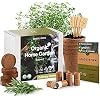
The Spade to Fork Indoor Herb Garden is a soil-based gardening kit for people who prefer a traditional approach to growing plants. Unlike hydroponic systems, this kit uses organic soil and seeds, allowing gardeners to experience the familiar process of planting, watering, and caring for herbs.
Its compact design makes it suitable for windowsills, kitchen counters, and other small spaces with adequate light. The kit includes a thermometer, which helps monitor the growing environment, along with durable pots and organic growing materials. Since it does not use electricity, there is no need to manage timers, lights, or powered water systems.
During long-term testing, the soil-based system took longer to produce seedlings than some hydroponic alternatives. It also required daily watering to maintain healthy herbs. However, the hands-on process may appeal to gardeners who enjoy caring for their plants directly. The included extra seeds also provide an opportunity to start again if some plants do not survive.
Key Features
- Organic seeds and soil
- Traditional soil-based growing method
- Compact windowsill-friendly design
- Included thermometer
- Durable planting pots
- No electricity required
| Pros | Cons |
|---|---|
| Organic growing materials | Daily watering required |
| No electricity needed | Slower germination in testing |
| Beginner-friendly traditional gardening | Needs suitable natural light |
| Includes additional seeds | More hands-on maintenance |
Best for: Gardeners who enjoy traditional soil-based growing and prefer an organic herb garden without electrical components.
5. Lettuce Grow Counterstand Set

The Lettuce Grow Counterstand Set offers an alternative to traditional seed-pod hydroponic gardens. It uses three freestanding glass containers and includes three live plants, which arrive as pre-germinated seedlings. This design reduces the time and effort associated with starting plants from seeds.
One appealing aspect of the system is the flexibility to choose from a range of edible plants. Options may include kale, arugula, Swiss chard, butter lettuce, romaine, parsley, basil, mint, and cilantro. Buyers can select their preferred plants or choose available assortments such as herb mixes and bestsellers.
The included LED lamp provides supplemental lighting, with plants generally needing six to eight hours of light per day. A built-in timer helps manage the lighting schedule. Water and nutrients typically need replenishing approximately every three weeks, making routine maintenance relatively simple. The system is particularly useful for people who want fresh greens and herbs available for cooking without managing a large garden.
Key Features
- Three glass growing containers
- Three live, pre-germinated plants
- Choice of selected plants or assortments
- Included LED grow lamp with timer
- Plant nutrients included
- Low-maintenance watering routine
| Pros | Cons |
|---|---|
| Starts with live seedlings | Limited to three plants |
| Choice of edible plant varieties | Requires supplemental lighting |
| Convenient feeding and watering schedule | Plants need replacement as they finish growing |
| Attractive countertop design | Glass containers require careful handling |
Best for: People who want fresh salad greens and herbs on their kitchen counter without starting plants from seeds.
Indoor Garden Comparison Table
| Product | System Type | Capacity | Maintenance | Main Feature |
|---|---|---|---|---|
| Click & Grow Smart Garden 3 | Hydroponic | 3 plants | Low | Automated light and water indicator |
| AeroGarden Sprout | Hydroponic | Compact growing area | Low | Space-saving countertop design |
| Rise Gardens Personal Garden | Hydroponic | 8-pod tray | App-supported | Nursery and self-watering system |
| Spade to Fork Herb Garden | Soil-based | Multiple pots | Daily watering | Organic soil and seeds |
| Lettuce Grow Counterstand | Live seedlings | 3 plants | Low | Ready-to-grow live plants |
How to Choose the Best Indoor Garden
1. Consider Your Available Space
Before purchasing an indoor garden, measure the area where you intend to place it. Compact systems such as the AeroGarden Sprout and Click & Grow Smart Garden 3 are designed for smaller surfaces. Larger systems may require more room for their growing trays, water reservoirs, and lighting equipment.
2. Choose Between Hydroponics and Soil
Hydroponic gardens grow plants without traditional soil and can simplify water and nutrient management. Soil-based gardens provide a more conventional gardening experience and may appeal to people who prefer organic soil and hands-on plant care. Consider which growing method fits your interests and maintenance preferences.
3. Check the Lighting System
Indoor plants need adequate light to grow properly. If your home does not receive sufficient sunlight, an indoor garden with an integrated LED grow light may be helpful. Look for adjustable lights, automatic timers, and enough vertical clearance for mature plants.
4. Evaluate Maintenance Requirements
Some indoor gardens require daily watering, while automated systems may need attention only once a week or less. Check how frequently the water reservoir needs refilling, how nutrients are added, and whether the system requires regular cleaning.
5. Think About the Plants You Want to Grow
Different systems support different types of plants. Compact gardens are often suitable for basil, parsley, mint, and other herbs. Larger systems may offer room for leafy greens and some fruiting plants. If you have specific plants in mind, confirm their size and growing requirements before choosing a product.
6. Compare the Total Cost
The initial purchase price is only one part of the cost of owning an indoor garden. Seed pods, nutrients, replacement plants, electricity, and other growing supplies may create ongoing expenses. Consider both the initial investment and the long-term cost of maintaining your garden.
Frequently Asked Questions
Are indoor gardens worth buying?
Indoor gardens can be useful for people who want fresh herbs and greens at home without outdoor gardening space. They may also make growing plants more accessible for beginners. Whether one is worth buying depends on your budget, available space, preferred plants, and willingness to maintain the system.
What is the easiest indoor garden for beginners?
Automated hydroponic systems are often convenient for beginners because they combine growing containers, lighting, and water management in one unit. The Click & Grow Smart Garden 3 and AeroGarden Sprout are examples of compact systems designed to simplify indoor gardening.
Can you grow vegetables indoors all year?
Yes. Many leafy greens and herbs can be grown indoors throughout the year when they receive adequate lighting, water, nutrients, and suitable temperatures. However, growth rates and yields vary depending on the plant species and indoor growing conditions.
Do indoor gardens use a lot of electricity?
Electricity consumption depends on the type of indoor garden, the wattage of its grow lights, and the length of its daily lighting cycle. Systems with integrated LED lights generally use electricity for illumination and sometimes water circulation. Soil-based kits without powered components do not require electricity.
Can indoor gardens grow plants without sunlight?
Indoor gardens equipped with suitable LED grow lights can support plant growth in rooms with little or no natural sunlight. The light must provide the appropriate intensity and duration for the plants being grown.
How often should an indoor garden be watered?
Watering frequency varies by system and plant type. Some automated hydroponic gardens need water replenishment approximately once a week, while soil-based gardens may require daily watering. Always follow the product instructions and monitor the moisture and water levels of your specific growing system.
Final Thoughts: Which Indoor Garden Should You Choose?
Choosing an indoor garden comes down to how much space you have, what you want to grow, and how involved you want to be in the gardening process. Compact hydroponic systems provide integrated lighting and simplified maintenance, while soil-based kits offer a more traditional growing experience. Live-seedling systems can also save time for people who want to begin harvesting sooner.
The Click & Grow Smart Garden 3, AeroGarden Sprout, Rise Gardens Personal Garden, Spade to Fork Indoor Herb Garden, and Lettuce Grow Counterstand Set each offer different approaches to growing plants indoors. Compare their growing capacities, features, supply requirements, and current prices to determine which one fits your needs.
With a suitable indoor garden and consistent care, you can enjoy growing fresh herbs and leafy greens right in your own home.
Affiliate disclosure: As an Amazon Associate, we earn from qualifying purchases. If you buy through links in this article, we may receive a commission at no additional cost to you. Product features, availability, and prices may change, so check the current Amazon listing before purchasing.
Related Posts

Best Toilet Paper: Top 5 Soft, Strong & Reliable Toilet Paper Picks
Choosing the right toilet paper can make a noticeable difference…

The 5 Best Barbecue Tool Sets for Easy, Efficient Grilling
A reliable barbecue tool set can make grilling easier, safer,…

5 Best DSLR Cameras of 2026: Top Picks for Photography and Video
5 Best DSLR Cameras of 2026: Top Cameras for Photography…