
Choosing the right yoga mat can make a big difference in your comfort, balance, and overall workout experience. Whether you practice hot yoga, enjoy gentle stretching, need extra cushioning for your knees, or want a durable mat for home workouts, the best option depends on your individual needs.
In this guide, we review five popular yoga mats from Liforme, Gaiam, JadeYoga, Gruper, and Manduka. We compare their cushioning, grip, stability, and practical benefits to help you find the right yoga mat for your practice.
Affiliate disclosure: As an Amazon Associate, this website may earn from qualifying purchases made through the links in this article, at no additional cost to you.
Quick Comparison: Top 5 Yoga Mats
How to Choose the Best Yoga Mat
Before choosing a yoga mat, consider your preferred style of exercise, the amount of cushioning you need, and how much grip you expect from the surface.
- Grip: A secure surface helps you maintain your footing during standing poses and flowing sequences.
- Thickness: Thicker mats can cushion knees and wrists, while thinner mats often provide a more stable connection to the floor.
- Size: Taller users and people who perform floor workouts may appreciate a longer or wider mat.
- Material: Consider durability, cleaning requirements, odor, and whether you prefer natural rubber or foam.
- Portability: A lighter mat with a carrying strap or bag may be more convenient for studio classes and travel.
Detailed Reviews of the 5 Best Yoga Mats
1. Liforme Original Yoga Mat — Best Overall
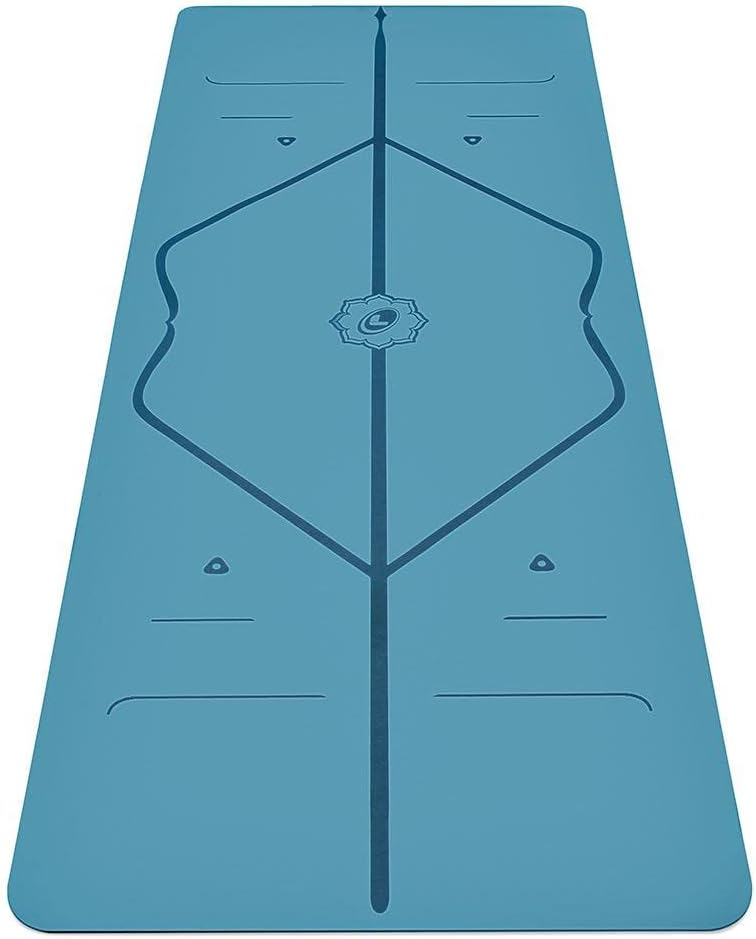
The Liforme Original Yoga Mat is a strong option for people who want a balance of grip, comfort, and stability. Its supportive construction is designed to provide cushioning without making standing poses feel excessively soft. For regular yoga practitioners, this combination can make it easier to move between poses while maintaining a stable foundation.
One of its most distinctive features is its alignment-marker system. These guides can help beginners position their hands and feet more consistently and give experienced practitioners a useful visual reference during their flows. The surface is designed to provide a secure grip, which can be especially valuable when your hands become damp during practice.
The mat’s curved edges and thoughtfully designed surface add to its premium appeal. It is worth considering if you practice frequently and value alignment assistance alongside comfort. However, shoppers should compare its price with their budget and review the care instructions before purchasing.
Key Features
- Alignment markers for positioning guidance.
- A balance of cushioning and stability.
- Grip-focused surface for flowing yoga sequences.
- Designed for regular yoga practice.
| Pros | Cons |
|---|---|
| Alignment guides, supportive cushioning, grip-focused surface, suitable for varied yoga flows. | May cost more than basic mats; check maintenance and material requirements. |
Best for: Yoga practitioners looking for a premium mat with alignment assistance, grip, and balanced support.
2. Gaiam Essentials Yoga Mat — Best for Cushioning
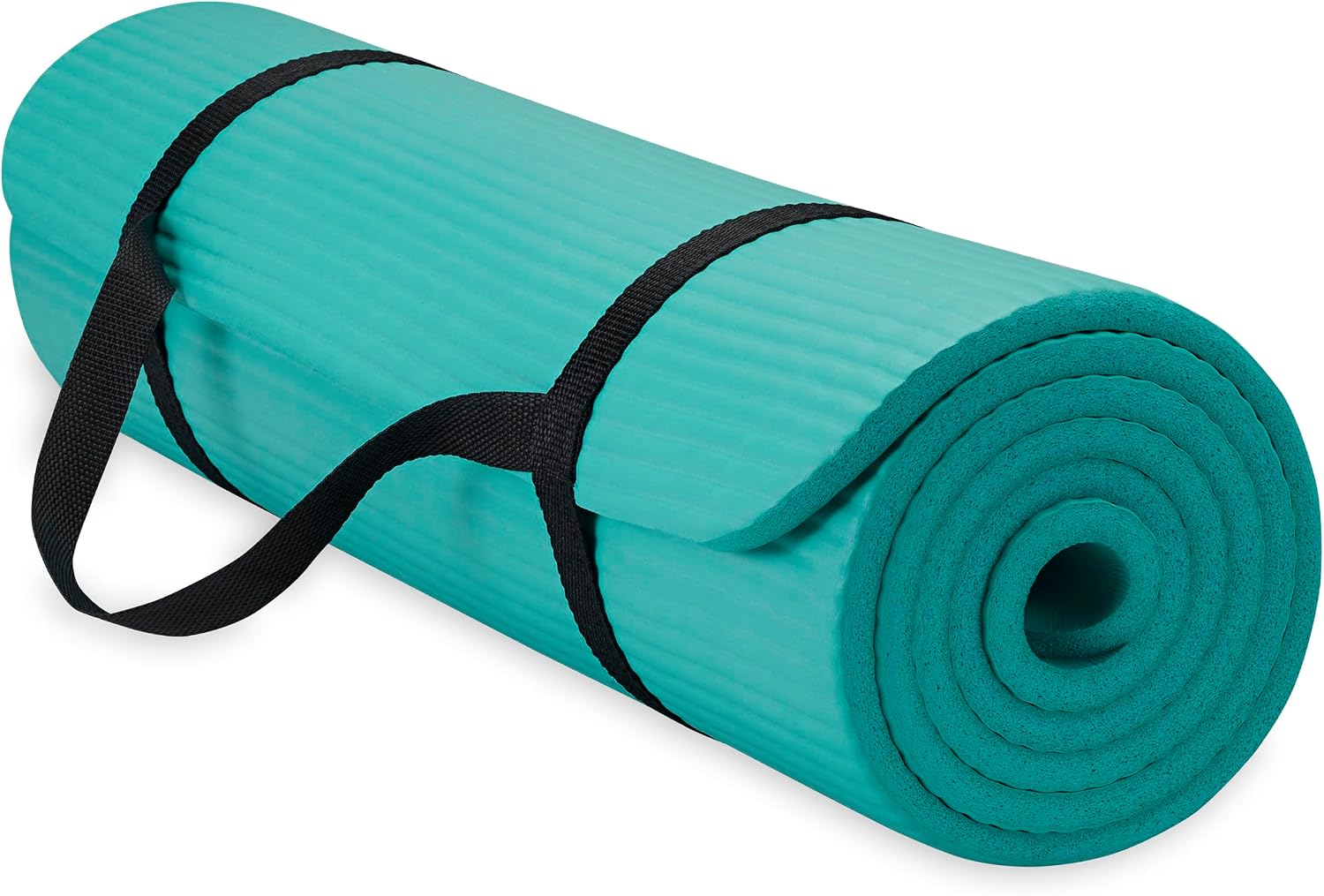
The Gaiam Essentials Thick Yoga Mat is designed for people who prioritize cushioning during floor-based exercises. Its approximately 10 mm thickness offers a soft layer between your body and the floor, making it an appealing choice for gentle yoga, stretching, restorative poses, and other low-impact routines.
Extra padding can help make seated and supine movements more comfortable, especially when your knees, wrists, or other pressure points come into contact with a hard surface. The mat is also described as lightweight, and its included carrying strap makes it easier to transport between home and a studio.
There is a trade-off to consider: a very cushioned mat may feel less stable during one-legged poses or balance-intensive flows. If your practice includes lots of standing transitions, you may prefer a thinner mat. For stretching and floor workouts, however, the Gaiam Essentials is a practical option to compare.
Key Features
- Approximately 10 mm of cushioning.
- Suitable for gentle yoga and floor exercises.
- Lightweight design for easier carrying.
- Includes a carrying strap.
| Pros | Cons |
|---|---|
| Plush cushioning, carrying strap, useful for stretching and restorative yoga. | Extra thickness may reduce stability during challenging balance poses. |
Best for: Beginners, home exercisers, and anyone who prefers a more cushioned surface for stretching and floor work.
3. JadeYoga Harmony Yoga Mat — Best for Grip

The JadeYoga Harmony Yoga Mat is worth considering if traction is a priority. Made from natural open-cell rubber, it is designed to provide a grippy surface that can help practitioners maintain their footing during dynamic flows and more demanding sequences.
Its cushioning is intended to offer a useful middle ground: enough padding for comfort without the overly soft feel that can make balance poses more challenging. This makes the Harmony a versatile option for people who want a mat for regular yoga rather than only for seated stretching or restorative sessions.
JadeYoga also highlights its environmental initiative of planting a tree for each mat sold. That may appeal to shoppers who want their purchase to support a sustainability-focused effort. Natural rubber mats can have specific cleaning and care requirements, so check the manufacturer’s guidance before use. During particularly sweaty sessions, a dedicated yoga towel may provide additional traction and help absorb moisture.
Key Features
- Natural open-cell rubber construction.
- Grip-focused surface for flowing sequences.
- Moderate cushioning for everyday practice.
- Tree-planting initiative associated with sales.
| Pros | Cons |
|---|---|
| Grippy natural-rubber surface, balanced padding, suitable for regular yoga. | Natural rubber requires appropriate care; additional traction may be useful in very sweaty conditions. |
Best for: Yoga practitioners who prioritize traction and want a versatile mat for regular flows and active sessions.
4. Gruper Thick Yoga Mat — Best for Extra Knee Cushioning

The Gruper Thick Yoga Mat is designed for people who want additional space and cushioning for yoga, stretching, and home workouts. The listed 15 mm option offers substantial padding, which may be useful for exercises that place pressure on the knees and other joints. Check the selected thickness and dimensions on the product page before ordering, as variations may be available.
Its wider design can provide more room for changing positions and performing movements that extend beyond the footprint of a standard mat. A textured surface is intended to help maintain traction, while the dense padding aims to offer support without making the mat excessively difficult to use.
Portability is another practical consideration. The mat is described as rollable and supplied with carrying accessories, making it easier to put away between workouts. If you regularly practice challenging standing poses, compare its stability with that of a thinner mat. Additional cushioning may be especially attractive for floor-based movements, but individual comfort and balance needs differ.
Key Features
- A thick cushioning option, including a listed 15 mm version.
- Wider design for additional exercise space.
- Textured surface intended to improve grip.
- Carrying and storage accessories, depending on the selected listing.
| Pros | Cons |
|---|---|
| Substantial cushioning, extra exercise space, textured surface, convenient storage. | Thicker construction may feel less stable for some standing and balance poses. |
Best for: Home exercisers and yoga practitioners who prefer extra cushioning and a roomier exercise surface.
5. Manduka PRO Long & Wide 6 mm Yoga Mat — Best for Home Workouts

The Manduka PRO Long & Wide 6 mm Yoga Mat is aimed at people who want a durable, spacious surface for yoga and other home workouts. Its 6 mm cushioning offers a compromise between comfort and floor contact, making it a potential fit for practitioners who move between yoga, bodyweight exercises, and general fitness routines.
The textured top and structured underside are designed to help the mat remain secure during use. Its heavier construction may appeal to people who keep a mat in a dedicated home workout area rather than carrying it to classes every day. The additional length and width can also provide more room for taller users and movements that require a larger working area.
Durability is a major reason to consider a premium exercise mat. If you plan to use one frequently for years, construction and long-term wear may matter more than the lowest initial price. Before purchasing, confirm the exact size, material, and care instructions for the specific listing, particularly if you intend to use the mat for weight training as well as yoga.
Key Features
- Listed 6 mm cushioning.
- Long and wide format for additional workout space.
- Textured surface and structured underside.
- Designed for regular yoga and multi-purpose exercise.
| Pros | Cons |
|---|---|
| Spacious format, balanced cushioning, durable construction focus, versatile home workout use. | Heavier than many basic mats and may require a larger budget. |
Best for: Home gym users and yoga practitioners who value a spacious mat for regular, multi-purpose exercise.
Which Yoga Mat Is Best for You?
The right yoga mat depends on how you practice and what matters most to you. Consider these recommendations before making your decision.
- For an all-around yoga practice: Consider the Liforme Original for its combination of alignment guidance, cushioning, and grip.
- For gentle yoga and stretching: The Gaiam Essentials offers extra padding for floor-based movements.
- For grip-focused practice: The JadeYoga Harmony is worth comparing if traction is a priority.
- For extra cushioning: The Gruper Thick Yoga Mat is an option for people who prefer a thicker surface.
- For home workouts: The Manduka PRO Long & Wide offers a spacious format designed for regular exercise.
Frequently Asked Questions
1. What thickness is best for a yoga mat?
A mat around 4–6 mm thick is a common choice for balancing cushioning and stability. Thicker mats can be more comfortable for kneeling and floor exercises, although excessive softness may make standing balance poses more challenging.
2. Which yoga mat is suitable for beginners?
Beginners should consider a mat with dependable grip, comfortable cushioning, and enough space for basic poses. The Liforme’s alignment markers may be useful for learning positioning, while the Gaiam Essentials may suit beginners who prioritize extra padding.
3. Is a thicker yoga mat always better?
No. A thicker mat can offer more cushioning for the knees and wrists, but it may reduce stability during standing poses. Choose thickness based on your comfort needs and the types of movements you perform.
4. How can I improve grip during hot yoga?
Choose a mat designed for traction, follow the manufacturer’s cleaning instructions, and consider using a yoga towel during very sweaty sessions. No surface can guarantee that slipping will never occur, so move carefully when the mat or your hands become wet.
5. How often should I clean my yoga mat?
Clean your mat regularly, especially after sweaty sessions. Follow the material-specific care instructions because some natural rubber mats may be damaged by harsh cleaners, excessive moisture, or unsuitable cleaning methods.
6. Are expensive yoga mats worth buying?
A premium mat may be worthwhile if you practice frequently and value durability, grip, alignment features, or a larger surface. If you only practice occasionally, an affordable mat that meets your comfort and stability needs may be sufficient.
Final Verdict: The Best Yoga Mats to Consider
Each of these five yoga mats offers a different combination of cushioning, grip, space, and convenience. The Liforme Original is a compelling all-around option for practitioners who value alignment guidance. The Gaiam Essentials is worth considering for extra padding, while the JadeYoga Harmony is designed for grip-focused practice. The Gruper offers a thicker alternative, and the Manduka PRO Long & Wide is suited to people who want a spacious mat for home exercise.
Before placing an order, check the latest Amazon listing for available sizes, colors, materials, current pricing, shipping details, and customer feedback. Product specifications and availability can change, so confirm that the selected version matches your needs.
Related Posts

The 5 Best Women’s Water Shoes, Tested by PEOPLE: Top Picks for Beach, Swimming & Hiking
The 5 Best Women’s Water Shoes, Tested by PEOPLE: Top…

5 Best Compact Treadmills That Actually Fit in Your Home Office
Finding a treadmill that delivers a comfortable workout without taking…

The Best Instant Pots for Cooking Smarter: Top 5 Multi-Cookers Reviewed
Finding the right Instant Pot can make everyday cooking faster,…